You have a console, that’s roughly worth between £349 and £449, depending on whether you opted for Xbox One or PlayStation 4. You then paid online subscription to either Xbox Live or PlayStation Plus which costs around £39 to £49 a year. Then you purchased a game, any game from Grand Theft Auto 5 to Call of Duty: Ghosts for, on average, around £50. That’s, on average, just a bit over £500 just for the console, network access and a game. You might be thinking that, “that’s it; I can play and keep playing without having to spend any cash all year!”
Well, you’re actually quite wrong! In-game purchasing, in the form of microtransactions, has been in existence for over a decade now. However, mobile gaming has taken microtransactions to the next level. As such, games publishers and developers have started to go all ‘dollar-eyed’ over the prospect of ‘monetizing’ their video games further. This week saw the launch of Angry Birds Go! on Apple’s iOS platform – the iPad and iPhone OS environment. This game, takes microtransactions to the next and most obscene level.
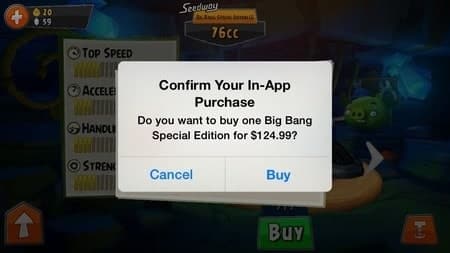 Many commentators, including The Metro, found the game’s “sickeningly offensive use of not just microtransactions, but every underhand trick in the marketing handbook” an embarrassment to video gaming. Fast food operators ‘sponsor’ car upgrades and all sorts of other must-haves! 8Ball Pool, Plants vs Zombies and Angry Birds are part of a plethora of mobile titles that are either a couple of quid or are completely free that make their developers money through microtransactions.
Now it’s easy to argue that because the game is ‘free’, the developer needs to cover costs – so microtransactions help them to profiteer their product. This isn’t an issue, what is the issue is the cost associated – some perks on Angry Birds Go! include a £39 upgrade pack and the way the characters are geared towards you ‘having’ to pay to continue playing all points towards a money-centric development approach. Not so micro any more! This is a racket, in all intents and purposes, and one that Android, Windows Phone, Blackberry and Apple are propagating.
You might be thinking, well I don’t pay for such things! I enjoy my PlayStation 4, my Nintendo Wii U or even my Xbox One. But take a moment and ponder? Map packs on Call of Duty, Dream Teams on FIFA and even in-game currencies for games like Grand Theft Auto V. This is a cancer, one that will destroy the current video game marketplace. I am not arguing that all change is bad. I believe sponsorship in games is a better alternative to microtransactions. It’s what Rovio initially did before it started ‘flogging’ Angry Birds across the different phone OS platforms.
If this behaviour becomes mainstream during the lifetime of the current next-gen platforms, it will, due to the initial investment costs, create a fracture in the relationship between gamer and console. The very relationship is built upon a conflagration of extreme passion and loyalty. This unique relationship, on a consumer level, helps mould brand loyalties. However, these loyalties will be tested if every time you need ‘an extra perk’ on Battlefield or Call of Duty you’re forwarded to your credit or debit card payment page.
It’s a personal choice – we, as gamers, need to understand that every bit of money that’s paid towards in-game purchases will only embolden the developers and publishers to continue their behaviour. They are, right now, financially loyal to these funding formats. However, if enough people re-think their attitudes and it become fiscally unviable, the developers and publishers will move on to the next ‘big thing’.
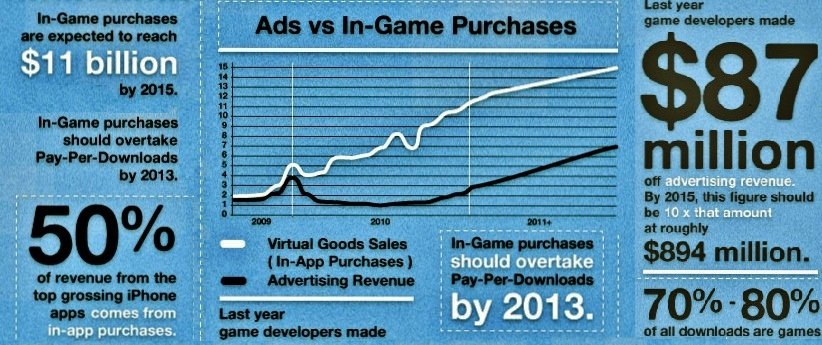 Video game development is a multi-platform endeavour. That said, the behaviour of developers on mobile platforms is starting to creep into the mainstream of top-end video game development. The ownership and game play costs cannot be increased by ‘cash hungry’ developers wanting to further their product monetization. Therefore, if you want to help keep the platforms of the next generation consoles clean of microtransactions and “sign-in to PayPal buttons”, you need to think about whether in-game purchases are really that important to your current video game-play enjoyment? If more and more developers force players to pay by microtransactions, the end result will be a commercialised drip-feed of adverts, mini transactions and expensive (and in all intents and purposes useless) discs. What we need is a thriving development scene – a scene that focuses on disc purchases and not in-game purchases as the central driver for consumption.